

Key Benefits
- DFM review before any tooling is made
- Prototype first — 3D printed or silicone cast
- Machines up to 400 tonnes clamping force (Through Partner)
- ABS · PP · PC · Nylon · POM · TPE and more
- Small batches to continuous production
- One team from CAD to finished parts
- DRDO registered · BDL registered · GeM listed
Injection Molding Services in Hyderabad (Through Partner)
Injection molding is the most economical way to make plastic parts in volume: once the mould is made, every part comes out identical, in seconds, at a low unit cost. The expensive part is the mould — so the design has to be right before it is cut. That is where iMake is different.
From our facility at Hardware Park Phase 2, Hyderabad, we take your part from design review and prototype to tooling and production, with machines up to 400 tonnes. Because we also run 3D printing, silicone moulding and CAD design in-house, you can hold and test the part before committing to a mould. What you approve as a prototype is what you get in production.
How an Injection Molding Project Works
- DFM review — we check draft, wall thickness, ribs, undercuts and gate position, and suggest changes that cut tooling cost and defects.
- Prototype — a 3D-printed part, or a short run of silicone-cast parts, to test fit and function.
- Tooling — mould design and manufacture matched to your volume: a simpler tool for pilot runs, a hardened multi-cavity tool for high volume.
- Sampling — first-off parts for your approval before production starts.
- Production — batches or scheduled deliveries, with inspection and documentation.


When Injection Molding Makes Sense
Injection molding pays off when volumes run into the hundreds or thousands, or when you need the strength and finish of a production-grade plastic. For smaller quantities, silicone moulding, DLP or FDM printing is often cheaper and faster — we will tell you honestly which route suits your volume.
We serve automotive, medical device, consumer electronics, industrial and defence clients across Hyderabad, Telangana and Andhra Pradesh.
Design Support Included
Many parts are first designed for 3D printing or CNC and need changes before they can be moulded. Our CAD team adds draft, evens out wall thickness, replaces solid sections with ribs and positions gates and ejector pins — so your mould is simpler, your cycle time shorter and your parts free of sink marks and warping.

Injection molding at a glance
| Specification | Detail |
|---|---|
| Machine capacity | Up to 400 tonnes clamping force (Through Partner) |
| Materials | ABS · PP · PC · PC-ABS · Nylon (PA6/PA66) · POM · HDPE · TPE |
| Special grades | Glass-filled · Flame-retardant · UV-stabilised |
| Before tooling | DFM review and 3D-printed or silicone-cast prototype |
| Volumes | Small batches to continuous production |
| Files accepted | STEP · IGES · SLDPRT · PDF drawings · sample part |
Some of our recent molding work

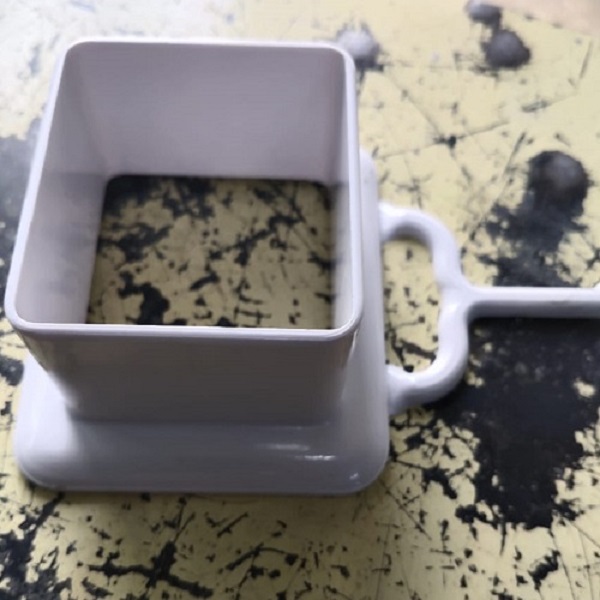
Production Component
Moulded after DFM review and prototype approval — consistent parts batch after batch.
Small-Batch Molding
Short runs for pilot launches, with a fast turnaround from approval to delivery.

Detailed Moulded Part
Fine features and a production-quality surface finish straight from the tool.
F.A.Q
Frequently Asked Questions
-
What sizes of injection molding machine do you work with?
Production runs on injection molding machines up to 400 tonnes clamping force (Through Partner), which covers most enclosures, housings, brackets and consumer and industrial components. Tell us the part size and wall thickness and we will recommend the right tonnage.
-
Can I test the design before paying for a mould?
Yes, and we recommend it. We 3D print a prototype — or produce a short run of cast parts using silicone moulds — so you can check fit, function and appearance before tooling is cut. Changing a CAD file is far cheaper than changing a steel mould.
-
Which plastics can you mould?
Common materials include ABS, PP, PC, PC-ABS, nylon (PA6 / PA66), POM (Delrin), HDPE and TPE. Glass-filled, flame-retardant and UV-stabilised grades are available. We help you choose based on strength, temperature, finish and cost.
-
Do you design the part for molding?
Yes. Our CAD team reviews your design for draft angles, wall thickness, ribs, bosses, undercuts and gate location, and can redesign parts originally made by CNC or 3D printing so they can be moulded reliably. See our CAD design services.
-
What volumes do you handle?
From small batches for pilot launches to continuous production. For low volumes we can suggest silicone moulding or a simpler tool to keep the upfront cost down; for high volumes, a hardened multi-cavity tool brings the unit price down.
-
What do you need for a quote?
A STEP or IGES file (or drawings), material, colour and finish, expected annual volume, and target timeline. If you only have a sketch or a sample part, our team can create the CAD model first.
